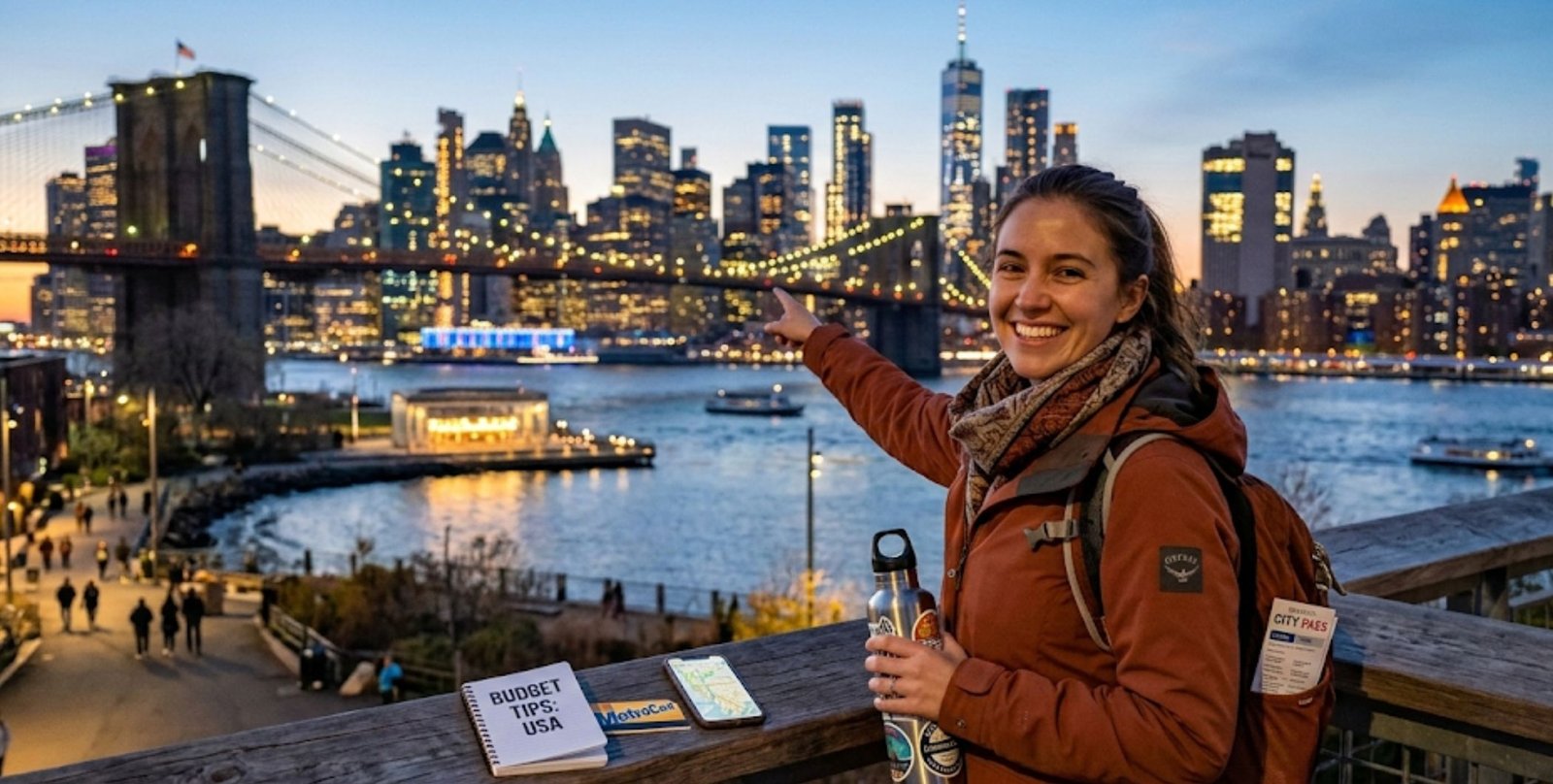
Budget Travel Tips Expensive Cities USA: Smart Ways to Save Big Without Missing Out
Budget Travel Tips Expensive Cities USA: Smart Ways to Save Big Without Missing Out
You don’t need a trust fund to visit America’s most expensive cities. You need a plan.
New York. San Francisco. Los Angeles. Boston. Washington, D.C. The price tags in these places can feel absurd. Hotel rates look like monthly rent. A simple dinner seems to cost more than your grocery bill back home. It’s easy to assume you just can’t afford it.
Here’s the truth. You can.
With the right budget travel tips for expensive cities USA, you’ll spend smarter, not smaller. You won’t cut the fun. You’ll cut the waste. And once you understand how these cities price things, you’ll see opportunities everywhere.
Let’s break it down.
Why Expensive Cities in the USA Feel So Costly
Before you save money, you need to understand where it goes.
In high-demand cities, you’re paying for three things: location, convenience, and scarcity. Millions want to visit. Space is limited. Prices rise. That’s basic supply and demand at work.
The Three Biggest Budget Drainers
- Accommodation
Hotels in central Manhattan or downtown San Francisco regularly exceed $300 per night. During peak season, rates climb even higher. Add taxes and fees and the final bill can shock you.
- Food
A casual sit-down dinner in popular neighborhoods often runs $25–$40 per person before drinks. Trendy brunch spots? Even more.
- Transportation
Rideshares, taxis, airport transfers, rental cars, and parking can quietly add hundreds to your total trip cost.
The good news? Each of these categories offers room to maneuver.
Budget Travel Tips Expensive Cities USA – Plan Before You Arrive
If you wait until you land to think about your budget, you’ll overspend. Planning gives you leverage.
Book Flights Strategically
Airfare fluctuates constantly. Use tools like Google Flights or Skyscanner to track fares. Set alerts. Be flexible with dates. Midweek departures often cost less than Friday flights.
Also consider alternative airports. For example:
- Flying into Oakland instead of San Francisco
- Choosing Newark instead of JFK
- Using Burbank instead of LAX
A short train ride can save hundreds.
Travel During Shoulder Season
Shoulder season is the sweet spot. It’s the period between peak and off-season.
In cities like Chicago or Boston, that means April–May and September–October. You’ll find:
- Lower hotel rates
- Shorter lines
- Better restaurant reservations
- Comfortable weather
You’ll enjoy the city more and pay less. That’s a rare win-win.
Smart Accommodation Hacks for Expensive U.S. Cities
Accommodation usually eats 30–40% of your total travel budget. Tackle this category first.
Stay Outside Tourist Hotspots
Location drives price. Hotels within walking distance of Times Square or Fisherman’s Wharf charge a premium.
Instead, look for neighborhoods connected by strong public transit. In New York, staying in Queens near a subway line can cut nightly rates dramatically. In San Francisco, consider areas slightly outside downtown but near BART or MUNI stations.
A 15-minute train ride can save $100 per night. Over four nights, that’s $400 back in your pocket.
Compare Total Cost, Not Just Nightly Rate
Always calculate the full cost:
- Taxes
- Resort fees
- Cleaning charges
- Parking fees
Sometimes a slightly higher base rate includes everything. Meanwhile, a cheaper listing piles on hidden charges at checkout.
Consider Alternative Lodging
Don’t overlook:
- Private hostel rooms
- University dorms during summer
- Short-term apartment rentals
- House sitting opportunities
If you stay five nights, even a $40 nightly savings adds up quickly.
Cheap Eats Strategy – Budget Travel Tips Expensive Cities USA for Food
Food in major cities can be exceptional. It doesn’t have to be expensive.
Make Lunch Your Main Meal
Many restaurants offer lunch specials that cost 30–50% less than dinner menus. Same kitchen. Same chefs. Smaller prices.
Eat your bigger meal at noon. Grab something simple in the evening. Your wallet will thank you.
Follow the Office Crowd
If you see a line of locals in business attire, that’s a good sign. These places balance quality and price because they rely on repeat customers.
Avoid restaurants clustered around major tourist attractions. Those menus often prioritize convenience over value.
Use the Grocery Store Hack
Buy breakfast items, snacks, and drinks at a supermarket. A $15 grocery run can cover:
- Yogurt and fruit
- Sandwich ingredients
- Bottled water
- Snacks for the day
Compare that to $20 hotel breakfasts or $6 bottled water near tourist sites.
It’s not glamorous. It’s effective.
Transportation Savings in Expensive Cities USA
Transportation quietly drains budgets. Control it and you’ll stretch your money further.
Master Public Transit
Cities like New York, Chicago, Boston, and Washington D.C. have extensive transit systems. Purchase multi-day passes. Use contactless payments where available.
For example, in D.C., a day pass often costs less than two rideshare trips.
Study the system before you go. Download offline maps. Once you understand routes, moving around becomes simple.
Walk More Than You Think
Dense cities reward walking. You’ll discover hidden cafes, murals, bookstores, and neighborhood parks that never appear on travel brochures.
Plus, you save money.
A city like Boston feels compact. Washington D.C.’s monuments align along walkable routes. Manhattan invites exploration block by block.
Walking turns transportation into experience.
Skip the Rental Car
In major U.S. cities, rental cars often create more problems than they solve. Parking can cost $40–$60 per night. Traffic wastes time. Gas adds up.
Unless you’re planning day trips outside the city, skip it.
Free and Cheap Things to Do in Expensive Cities USA
Here’s the secret most travelers miss. Many of the best experiences are free.
Free Museum Days
Many major museums offer free admission days or pay-what-you-wish hours. Check official museum websites before you visit.
Arrive early. Lines form quickly.
Parks and Waterfront Walks
Urban parks rival paid attractions.
- Central Park in New York
- Golden Gate Park in San Francisco
- The National Mall in D.C.
- Millennium Park in Chicago
You can spend hours exploring without spending a dollar.
Self-Guided Walking Tours
Download free walking tour maps. Explore neighborhoods at your own pace. Look up architecture guides or historical summaries beforehand.
You’ll learn more than you would on a rushed group tour.
Are City Attraction Passes Worth It?
City passes bundle attractions at a discount. Sometimes they’re excellent value. Sometimes they’re a trap.
When They Make Sense
- You plan to visit at least three major paid attractions
- You have limited time
- Attractions cluster close together
When They Don’t
- You prefer slow travel
- You focus on parks and neighborhoods
- You dislike rigid schedules
Always calculate the individual ticket prices. Compare carefully. Never assume “bundle” equals savings.
Money Mindset – The Core of Budget Travel Tips Expensive Cities USA
Budget travel isn’t about deprivation. It’s about intention.
Decide what matters most to you. Maybe it’s one incredible fine-dining experience. Maybe it’s a Broadway show. Spend there. Cut elsewhere.
Choose experiences over convenience. Walk instead of rideshare. Picnic instead of expensive brunch. Watch sunset from a public viewpoint rather than a rooftop bar charging $22 cocktails.
Small decisions compound.
Set a daily spending target. Track expenses briefly each evening. Awareness alone often reduces overspending.
Sample 3-Day Budget Breakdown in an Expensive U.S. City
Here’s a realistic example.
| Category | Estimated Cost |
| Lodging (shared or budget hotel) | $120 per night |
| Food | $35–$45 per day |
| Transit pass | $10–$15 per day |
| Attractions | Mostly free or $20–$40 total |
Total for three days: approximately $550–$700.
That’s manageable for cities many assume require thousands.
Advanced Budget Travel Tips Expensive Cities USA Travelers Overlook
Once you master the basics, layer on advanced strategies.
Leverage Credit Card Points
Strategic travel rewards can offset flights or hotels entirely. Even one free night significantly reduces your average nightly cost.
Use Local Deal Platforms
Websites like Groupon often feature discounted tours, meals, or activities in major cities.
Check Event Calendars
Cities host free festivals, outdoor movie nights, street fairs, and cultural events year-round. Search “free events this weekend + city name” before arrival.
Split Major Costs With Friends
Traveling with others lowers accommodation costs dramatically. A $300 apartment split three ways suddenly becomes affordable.
Final Thoughts on Budget Travel Tips Expensive Cities USA
Expensive cities in the USA intimidate many travelers. They shouldn’t.
When you approach them strategically, they transform from financial black holes into vibrant playgrounds you can afford. You’ll still see iconic landmarks. You’ll still eat great food. You’ll still collect unforgettable memories.
You simply won’t overspend doing it.
Remember this: price and value aren’t the same thing. Expensive cities offer extraordinary value if you navigate them wisely.
Plan intentionally. Spend deliberately. Explore curiously.
And suddenly, those “unaffordable” destinations feel completely within reach.