Children’s Bedside Table: How to Choose the Right One for Your Child’s Room

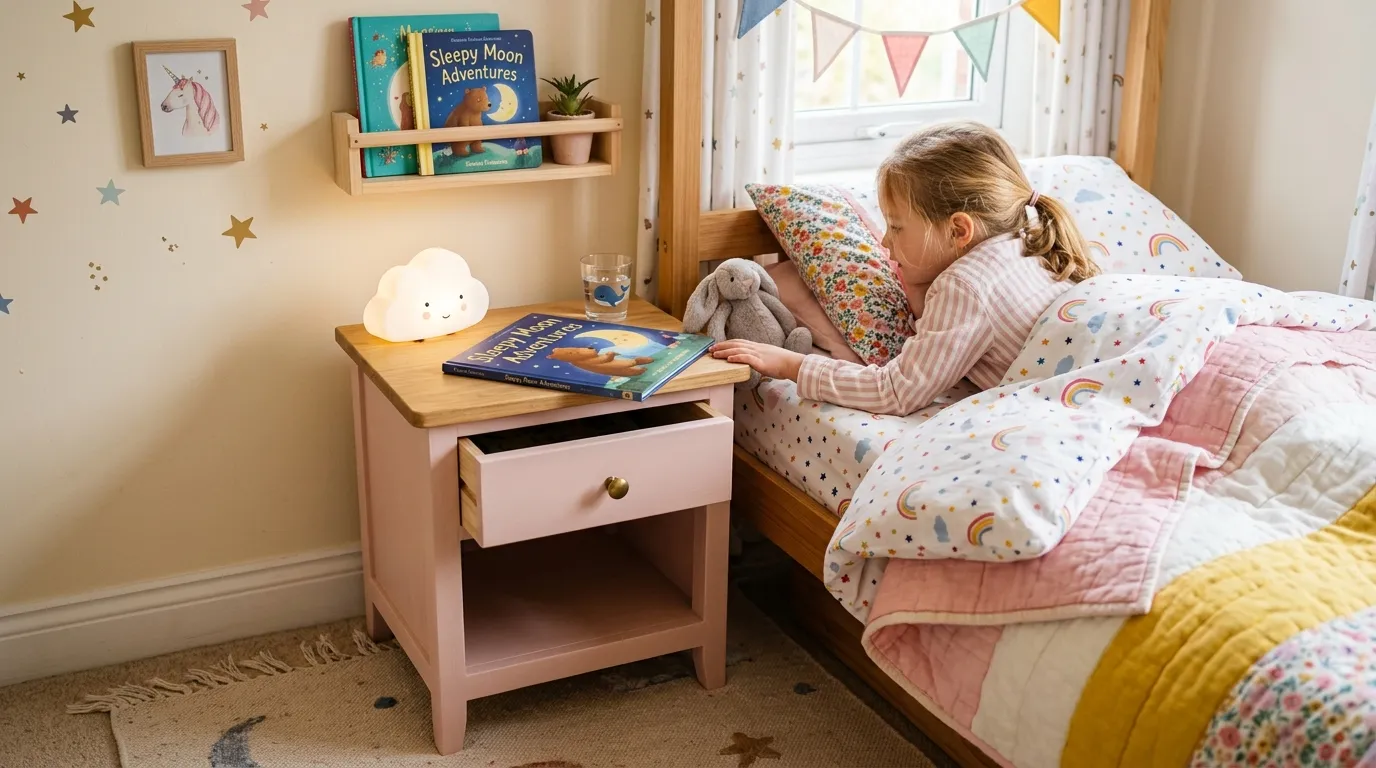
A children’s bedside table is a small piece of furniture, but it can make a big difference in a child’s bedroom. It gives children a convenient place to keep books, a water bottle, a night-light, toys, or other bedtime essentials.
The right bedside table can also help keep a room tidy while giving your child a little more independence. But choosing one isn’t as simple as picking the cutest design. Height, storage, stability, materials, safety and room size all matter.
Whether you’re furnishing a toddler’s room, updating a school-age child’s bedroom, or creating a stylish space for a teenager, this guide will help you find a bedside table that looks good and works well.
What Is a Children’s Bedside Table?
A children’s bedside table is a compact table or cabinet designed to sit beside a child’s bed.
It may have:
- One or more drawers
- Open shelves
- A cupboard
- A combination of storage spaces
- A simple tabletop
- Rounded edges
- Legs or a solid base
- A built-in charging area or cable opening
Unlike a standard adult bedside table, a children’s model is often smaller and lower. This makes it easier for children to reach their belongings without stretching or climbing.
The best option depends on the child’s age, bed height and how the table will be used.
Why Does a Child Need a Bedside Table?
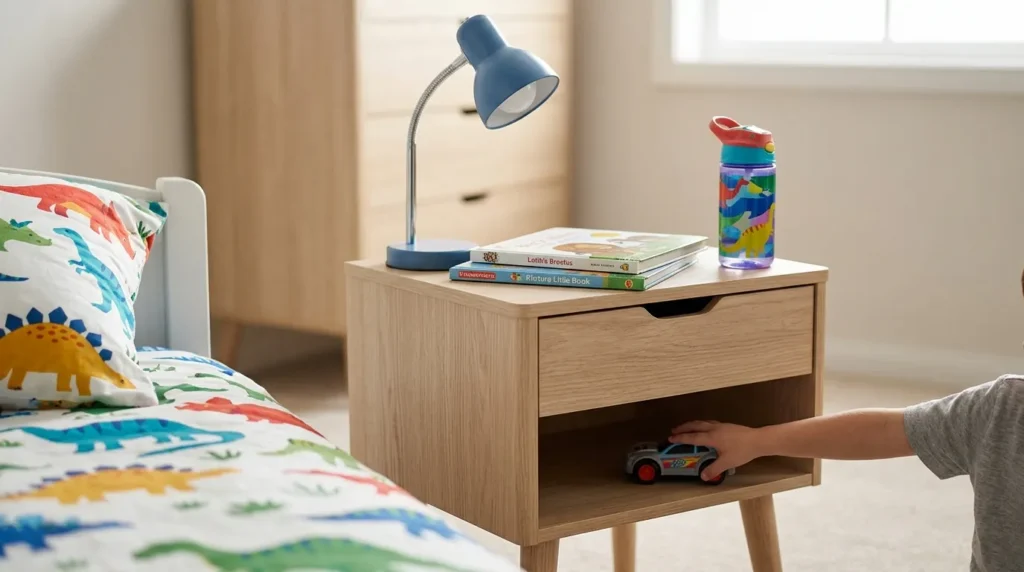
Children don’t necessarily need a bedside table, but it can make their bedroom more practical.
Think about what your child keeps beside the bed at night.
It might include a favorite storybook, glasses, a small toy, tissues or a water bottle. Without a dedicated space, these items can end up on the floor or under the bed.
A bedside table gives everything a home.
It can also encourage children to develop simple organization habits. When a child knows where their bedtime items belong, tidying up becomes easier.
For older children, the table can become a useful personal space for reading, studying or keeping everyday items within reach.
How High Should a Children’s Bedside Table Be?
Height is one of the most important things to consider.
Ideally, the tabletop should be easy for your child to reach while sitting or lying in bed.
A table that is too tall can be awkward and may encourage children to stretch or climb. A table that’s too low may be uncomfortable to use and can look out of proportion with the bed.
As a general guide, measure from the floor to the top of the mattress and compare that measurement with the height of the bedside table.
The table doesn’t have to be exactly the same height as the mattress. What matters most is comfortable access.
Consider the child’s age
Toddlers: Choose a low, stable design with easy access and strong safety features.
Young children: A compact table with a drawer or open shelf can work well.
Older children: A larger bedside table may provide more storage and remain useful as they grow.
Teenagers: A standard-sized bedside table may be more appropriate, especially if the bed is adult-sized.
Safety Features to Look For
Safety should come before appearance when choosing a children’s bedside table.
Children can climb, pull, push and explore furniture in ways adults don’t always expect.
Look for:
- Rounded or softened corners
- A stable, sturdy construction
- A wide enough base
- Smooth surfaces
- Secure drawers
- Strong drawer runners
- Non-toxic finishes
- Keep sharp objects, medicines, batteries, small choking hazards, and loose electrical cords out of reach and stored securely in an adult-only location.
- Safe cable management if electronics are used
If the table has drawers or a cupboard, make sure they open and close smoothly.
A lightweight table may be easy to move, but that’s not always an advantage in a child’s bedroom. A heavier or properly anchored piece can provide greater stability.
Should a Children’s Bedside Table Be Anchored?
If the table could tip when a child climbs, pulls on it or places weight on an open drawer, anchoring may be a sensible safety measure.
This is especially important for furniture with:
- Multiple drawers
- Tall storage sections
- A narrow base
- Heavy items stored inside
- A design that could become unstable when drawers are opened
Always follow the manufacturer’s instructions for securing furniture.
It’s also a good idea to teach children that bedside tables aren’t climbing equipment.
A cute little table can look like the perfect stepping stool to a curious toddler.
The Best Materials for a Children’s Bedside Table
Children’s furniture needs to handle everyday use, spills, bumps and occasional messes.
Common materials include:
Solid wood
Solid wood can be durable and long-lasting. It can also work well in rooms where you want furniture that will remain useful as your child grows.
The downside is that quality solid-wood furniture can be more expensive and heavier.
MDF
Medium-density fiberboard is commonly used for children’s furniture because it can be shaped into different designs and finished in many colors.
Good-quality MDF can work well when the edges and finish are properly constructed.
Plywood
Plywood offers a strong layered construction and can be a good choice for children’s furniture.
Its appearance depends on the finish and quality of the material.
Plastic
Plastic tables can be lightweight and easy to clean. They’re often useful for younger children, playrooms or temporary furniture.
However, durability and stability can vary significantly between products.
Metal
Metal bedside tables are less common in children’s bedrooms but can work well in modern or industrial-style rooms.
Look for designs without sharp edges or exposed points.
How Much Storage Does Your Child Need?
Storage should match the child’s habits.
If your child only needs somewhere to place a book and night-light, a simple tabletop may be enough.
If they like keeping toys, books and personal items beside the bed, choose a model with storage.
Open shelf
An open shelf makes items easy to reach.
It’s useful for:
- Books
- Soft toys
- Small baskets
- Bedtime essentials
The downside is that everything remains visible.
Drawer
A drawer creates a cleaner appearance and hides clutter.
It’s useful for:
- Small toys
- Accessories
- Personal items
- Stationery
Cupboard
A cupboard provides concealed storage and can accommodate larger items.
For younger children, check that the door and hinges are safe and easy to operate.
Two or more storage options
A bedside table with a drawer plus an open shelf can offer the best of both worlds.
Books can stay accessible while smaller objects remain tucked away.
Open Shelf vs Drawer: Which Is Better?
There’s no universal winner.
An open shelf is usually better if your child enjoys reading and wants quick access to books.
A drawer is better for small items that can make a room look cluttered.
For younger children, an open shelf may also be easier to use because there’s no drawer mechanism to operate.
For older children, drawers provide more privacy and organization.
If you’re unsure, choose a design that combines both.
Choosing the Right Style
A children’s bedroom doesn’t have to look like a cartoon set.
In fact, choosing furniture that can grow with your child may save money over time.
Popular styles include:
- Scandinavian
- Minimalist
- Modern
- Rustic
- Traditional
- Coastal
- Industrial
- Colorful
- Neutral
A white, natural wood or neutral bedside table can work across different decorating styles.
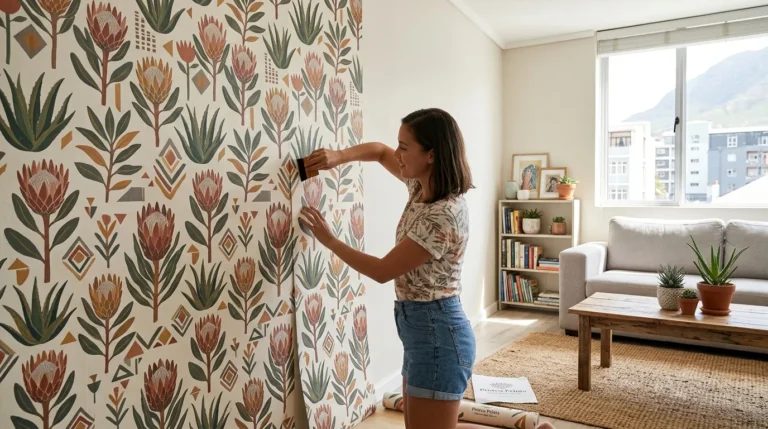
You can add personality through bedding, themed lighting, and accent feature walls using renter-friendly wallpaper that can be updated easily as your child grows.
- Bedding
- Wall art
- Lamps
- Cushions
- Decorative baskets
- Soft toys
This approach makes it easier to update the room as your child’s tastes change.
Should You Choose a Themed Bedside Table?
Themed furniture can be fun for younger children.
You might find tables inspired by:
- Cars
- Animals
- Space
- Dinosaurs
- Princesses
- Superheroes
- Fairy tales
- Sports
The advantage is obvious: children often love furniture that reflects their interests.
But there’s one thing to consider.
A five-year-old may love dinosaurs today and want a completely different room a few years later.
If you’re buying furniture that you expect to keep for many years, a neutral table with themed accessories may offer better long-term value.
What Size Children’s Bedside Table Do You Need?
Don’t choose the table based only on its dimensions.
Look at the entire room.
Measure:
- The available floor space
- The bed height
- The distance between the bed and wall
- Door and drawer clearance
- Walking space around the furniture
A bedside table should fit comfortably without making the room feel cramped.
For a small bedroom, a narrow table or floating bedside shelf can be a smart choice.
For a larger room, a wider table with additional storage may work better.
Size, storage, stability, and the room’s overall layout should be considered together rather than separately. For another practical checklist, see this guide on how to choose a nightstand your child will love, which also covers available space, storage, safety, style, extra features, and durability.
Small Children’s Bedside Tables for Compact Rooms
Small bedrooms require careful furniture choices.
A compact bedside table can provide useful storage without taking up too much floor space.
Consider:
- Narrow designs
- Wall-mounted shelves
- One-drawer tables
- Small cabinets
- Tables with vertical storage
- Rounded designs that are easier to move around
A floating bedside shelf is another option.
Because it attaches to the wall rather than sitting on the floor, it can leave more visible floor space underneath.
However, installation must be secure and appropriate for the wall structure.
Children’s Bedside Table With a Night-Light
A bedside table and night-light often work well together.
A small lamp can provide soft lighting for bedtime reading without illuminating the entire room.
When choosing a lamp, consider:
- Stability
- Heat output
- Cable placement
- Switch accessibility
- Bulb type
- Cord safety
Keep cables away from areas where children can pull or trip over them.
For younger children, battery-powered or purpose-designed children’s lights may be worth considering, depending on the product’s safety features.
What Can You Keep on a Children’s Bedside Table?
A bedside table should remain tidy and contain only a few practical bedtime essentials.
Good items to keep there include:
- One or two favorite books
- A night-light
- A water bottle
- Tissues
- Reading glasses for older children
- A small alarm clock
- A favorite comfort item
Try not to overload the tabletop.
Too many objects can make it harder for your child to find what they need and can increase the chance of items falling onto the floor.
How to Encourage Children to Keep Their Bedside Table Tidy
A bedside table can become a simple lesson in organization.
Instead of giving children complicated instructions, create a clear system.
For example:
Top: Night-time essentials
Drawer: Small personal items
Shelf: Books
This gives every category a place.
You can also make tidying part of the bedtime routine.
Before getting into bed, your child can put toys and books back where they belong.
The simpler the system, the easier it is to maintain.
Choosing a Children’s Bedside Table That Grows With Your Child
Children grow quickly, so buying furniture that only works for one age can become expensive.
A better long-term option may be a table with:
- A simple design
- Neutral colors
- Adjustable or versatile storage
- Durable construction
- A practical height
- A style that works beyond the toddler years
For example, a small natural-wood table may look perfect in a young child’s room but still work when that child becomes a teenager.
You can change the room’s style around the furniture instead of replacing the furniture itself.
Matching the Bedside Table With Other Furniture
The bedside table doesn’t have to match the bed exactly.
In fact, mixing furniture can make a children’s room feel more relaxed and interesting.
You can coordinate pieces through:
- Similar wood tones
- Matching hardware
- Complementary colors
- Similar shapes
- Consistent design styles
For example, a natural wood bedside table can work with a white bed and colorful storage baskets.
The goal is coordination rather than perfect matching.
Common Mistakes to Avoid
Choosing appearance over safety
A cute design isn’t worth much if the table is unstable or has sharp corners.
Buying a table that’s too tall
Your child should be able to reach the tabletop comfortably.
Ignoring storage needs
A beautiful table may become frustrating if there’s nowhere to put books and small belongings.
Buying furniture that is too childlike
Highly themed furniture may have a short useful life.
Forgetting about room measurements
Always measure before buying.
Overloading the tabletop
Keep essential items within reach and avoid unnecessary clutter.
Ignoring the finish
Children’s furniture can face spills, fingerprints and scratches. Choose a finish that’s practical to clean.
Children’s Bedside Table Ideas for Different Ages
| Age | Recommended style | Useful features |
|---|---|---|
| Toddlers | Low and simple | Rounded edges, stability, easy access |
| 3–6 years | Compact cabinet or table | Open shelf, simple storage |
| 6–10 years | Practical bedside cabinet | Drawer, book storage |
| 10–13 years | Larger table | Multiple storage options |
| Teenagers | Adult-style bedside table | Drawer, charging space, larger surface |
These are general guidelines. Your child’s height, bed design and room layout should also influence the decision.
How Much Should You Spend on a Children’s Bedside Table?
There’s no need to spend a fortune.
The right budget depends on how long you expect the furniture to last.
Budget option
Suitable if:
- You’re furnishing a temporary room
- Your child is likely to outgrow the design quickly
- You need a simple storage solution
Mid-range option
A good choice for families looking for a balance between appearance, durability and price.
Premium option
May make sense if:
- Solid hardwood finishes provide heirloom quality often seen in luxury staged properties like the Yourtown prize home, where durable furniture transitions effortlessly across different age groups.
- You expect the table to last for many years
- You’re creating a high-quality bedroom
- You want a design that can transition into the teenage years
Instead of focusing only on price, consider the cost over the furniture’s useful life.
A durable table that lasts ten years may provide better value than a cheaper table that needs replacing every few years.
Cleaning and Maintaining a Children’s Bedside Table
Children’s furniture needs regular cleaning.
Dust and wipe the surface according to the manufacturer’s instructions.
For most finished surfaces:
- Remove dust regularly
- Clean spills promptly
- Avoid soaking wood
- Don’t use harsh chemicals unless the manufacturer recommends them
- Check screws and fittings periodically
- Inspect for loose handles or damaged edges
If you notice cracks, unstable legs or damaged hardware, repair the problem before your child continues using the furniture.
Frequently Asked Questions
What is the ideal height for a children’s bedside table?
The ideal height depends on the child’s bed and height. The tabletop should be easy to reach while the child is sitting or lying in bed. Compare the table height with the top of the mattress before purchasing.
Do children really need a bedside table?
Not necessarily, but it can provide useful storage and give children an accessible place for books, lights and bedtime essentials.
What is the safest material for a children’s bedside table?
There isn’t one universally safest material. Construction, stability, finish, edge design and overall quality are more important than the material alone.
Should a children’s bedside table have drawers?
A drawer can be useful for keeping small items organized. For younger children, an open shelf may be simpler to access.
Can I use an adult bedside table in a child’s bedroom?
Yes, provided it’s stable, safe and appropriately sized. However, a very tall table may be difficult for a young child to reach.
What should I put on my child’s bedside table?
Keep it simple. A book, small lamp or night-light, water bottle and one or two personal items are usually enough.
How do I stop a bedside table from tipping?
Choose a stable design, avoid placing heavy objects where they could make it unstable, and follow the manufacturer’s instructions for anchoring furniture when recommended.
Should a children’s bedside table match the bed?
No. Matching is optional. A coordinated combination of colors, materials or styles can look just as attractive.
Final Thoughts
A children’s bedside table can add both function and personality to a child’s bedroom. The right one gives your child a convenient place for books, lighting and personal belongings while helping keep the room organized.
When choosing one, don’t focus only on appearance.
Think about:
- Safety
- Height
- Stability
- Storage
- Materials
- Room size
- Ease of cleaning
- Long-term usefulness
For a young child, a low and stable design with rounded edges may be the best choice. Older children may benefit from additional drawers, larger surfaces and designs that can transition into their teenage years.
Most importantly, choose furniture that fits the child and the room—not simply the other way around.
A well-chosen bedside table may be small, but it’s one of those everyday pieces that can make a child’s bedroom feel more comfortable, organized and personal.