Baseball Lifestyle 101: Everything You Need to Know About the Brand

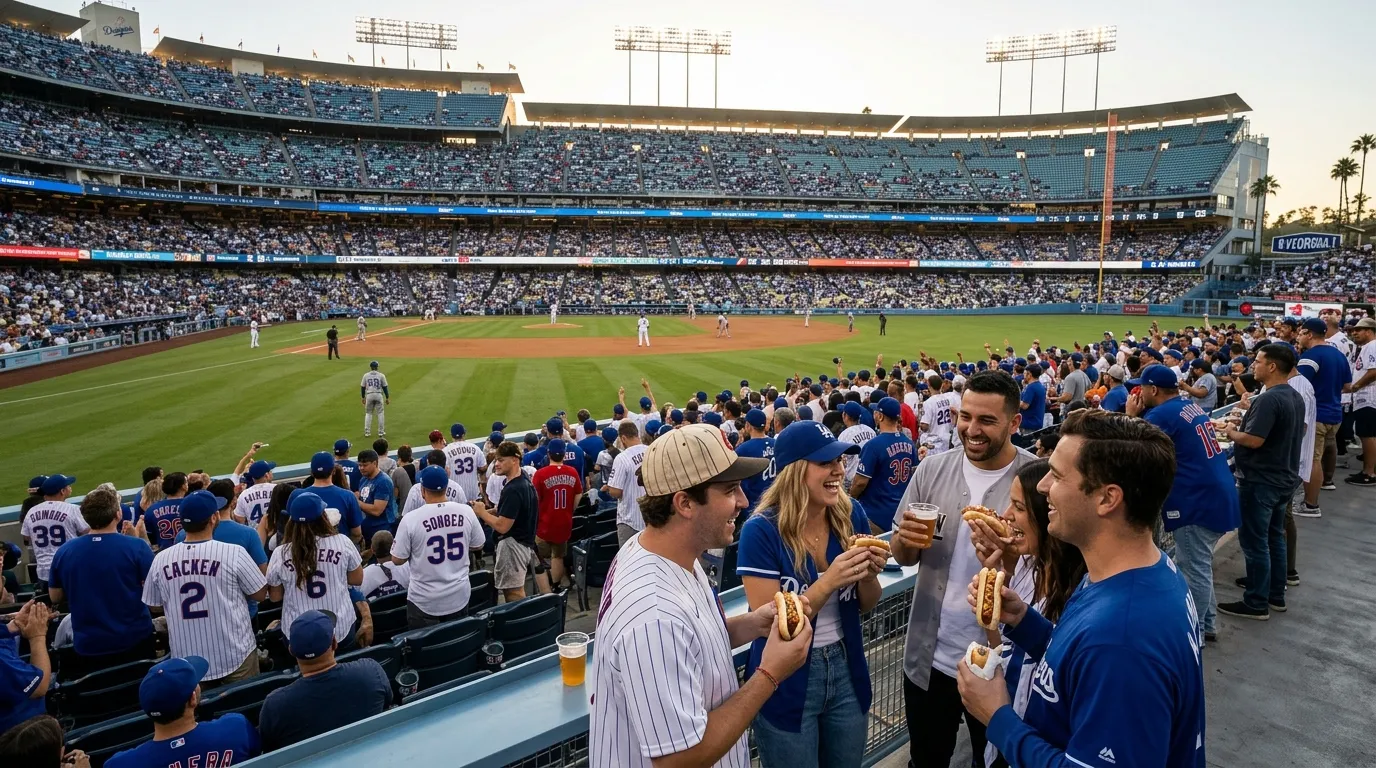
The baseball lifestyle covers much more than watching games. It can include what you wear, how you stay active, where you spend your weekends, and how you connect with other baseball fans. From team apparel and training sessions to ballpark visits and game-day meals, baseball can fit into many parts of everyday life.
For someone new to baseball culture, the choices can seem unclear at first. What gear do you need? How often should you watch or play? What traditions are worth trying? I think starting with simple habits makes the experience easier. You can begin with a cap, a glove, a local game, or a regular night for watching baseball.
This guide covers the main parts of the baseball lifestyle in one place. You will learn about clothing, equipment, fitness, food, fan traditions, family activities, social events, and ways to enjoy baseball on a budget. Each section focuses on practical ideas that can fit different interests and schedules.
The sections ahead will explain how these habits work and how you can make them part of your routine. Whether you are a new fan, a recreational player, or someone who has followed baseball for years, you can choose the activities that suit you. Start with the basics, then build a routine that works for your time, interests, and budget.
Why Baseball Becomes Part of Everyday Life
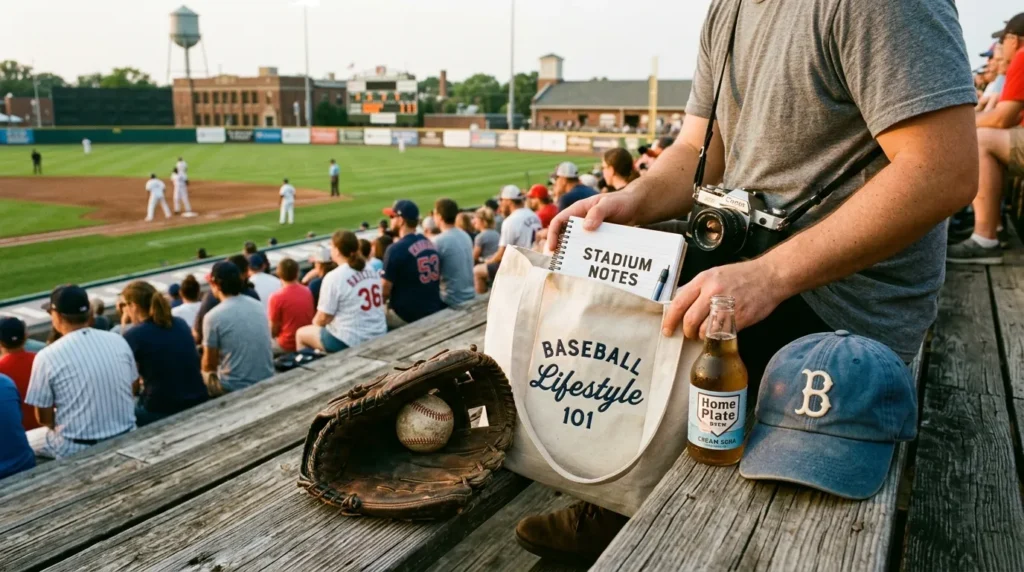
Baseball can become a regular part of life because there are many ways to enjoy it. You can watch a full game, follow highlights, attend local events, or spend an afternoon practicing on a field. The sport also offers plenty of opportunities to spend time with friends and family.
Routine plays a big role. A person might watch games every weekend, practice batting twice a week, or wear baseball clothing as part of their everyday style. These simple habits can keep the sport present even when there is no game on the schedule.
How to Get Started With the Baseball Lifestyle
Getting started does not require a large budget or advanced knowledge. Begin with one or two activities that interest you. Watch a game, learn the basic rules, visit a local field, or try a simple throwing and catching session.
As your interest grows, you can add equipment, team apparel, fitness sessions, or baseball-related activities. There is no fixed routine that everyone needs to follow. Build yours around the amount of time, money, and effort you want to spend.
Start Watching Baseball Regularly
Watching games is one of the simplest ways to become more familiar with baseball. Start with a team or league that interests you and follow a few games each week. Pay attention to basic plays such as pitching, hitting, stealing bases, and defensive outs.
You do not need to understand every rule right away. Keep watching and learning as you go. You can also check the schedule before the week begins so you know when games are available. Over time, familiar players, teams, and situations will make the sport easier to follow.
Learn the Basic Rules
Learning the basic rules makes the baseball lifestyle easier to follow and enjoy. Start with the main goal: score more runs than the other team. Learn how innings work, how three outs end a team’s turn at bat, and how players move around the four bases.
You should also learn common terms such as strike, ball, home run, foul ball, walk, stolen base, and double play. You do not need to memorize every rule before watching a game. Focus on the rules you see most often and build your knowledge over time.
Follow a Team You Enjoy
Following one team gives you a simple way to stay connected with baseball. You can check its schedule, watch games, learn about its players, and follow its season results. Choose a team based on location, family ties, players you like, or simply a style of play you enjoy watching.
Once you choose a team, follow its regular games instead of trying to keep up with every team in the league. Learn the starting lineup, key pitchers, and major players. This makes games easier to understand and gives you more reasons to keep watching.
Attend a Local Baseball Game
Going to a local baseball game lets you experience the sport in person. Look for amateur games, school games, youth leagues, college games, or professional games in your area. Smaller local games can also be a good starting point if you want a simple and affordable outing.
Before you go, check the game time, location, ticket details, and parking or transportation options. Wear comfortable clothing and bring only what you need. If you plan to watch regularly, attending different types of games can help you learn how baseball is played at different levels.
Essential Baseball Gear and Accessories
You do not need a large collection of equipment to enjoy baseball. The right gear depends on whether you mainly watch games, play casually, train regularly, or take part in a league.
For beginners, start with items that match your activities. A cap, comfortable shirt, baseball glove, baseballs, suitable shoes, and a small sports bag can cover many basic needs.
Baseball Caps
Baseball caps are one of the easiest ways to add baseball to your everyday clothing. You can choose a plain cap, a team cap, or one with a simple baseball logo. Pick a comfortable fit that stays secure without feeling too tight.
For outdoor games and practice, a cap can also help shield your eyes from bright sunlight. If you wear one often, look for breathable material and an adjustable strap or a size that fits well.
Jerseys and T-Shirts
Jerseys and T-shirts work well for games, practice sessions, and casual outfits. A team jersey shows support for a specific club, while a plain baseball T-shirt gives you more flexibility for everyday wear.
Choose clothing based on how often you plan to wear it. If you want something for regular use, focus on comfortable fabric and a good fit. For game days, you can pair a team shirt with jeans, shorts, or athletic pants.
Gloves and Baseballs
A glove is one of the main pieces of equipment for anyone who wants to play baseball. Different positions use different glove styles, so beginners should choose a general-purpose glove if they are still learning.
You will also need baseballs for throwing, catching, and practice drills. Start with a few balls rather than buying a large quantity. For casual practice, make sure you have enough open space and that everyone involved understands basic throwing and catching safety.
Shoes and Training Gear
Your footwear should match the surface where you play. Athletic shoes work well for casual practice, while players in organized baseball may need baseball-specific cleats based on league rules and field conditions.
Basic training gear can include batting gloves, athletic socks, supportive clothing, and simple equipment for running or strength work. Buy only what supports your current activities. You can add more gear as your playing habits develop.
Bags and Everyday Accessories
A baseball bag makes it easier to carry gloves, balls, clothing, shoes, and other equipment. A small backpack can be enough for casual sessions, while players with more equipment may prefer a larger sports bag.
Useful everyday accessories can include water bottles, sunglasses, towels, and small storage pouches. Keep your bag organized so you can find your equipment quickly before practice or a game.
Baseball Fashion and Everyday Style
Baseball clothing works well for both game days and everyday wear. Caps, T-shirts, jerseys, hoodies, jackets, and athletic shoes can all fit into a casual wardrobe. You do not need to wear team gear from head to toe to show an interest in baseball.
Choose clothing that fits your normal style and the weather. Lightweight shirts work well in warm conditions, while hoodies and jackets are useful during cooler games. Comfort should come first, especially if you plan to spend several hours at a stadium.
Classic Baseball Looks
A classic baseball look often includes a baseball cap, team T-shirt, jeans, and comfortable sneakers. This combination is simple and works for watching games, meeting friends, or running errands.
You can also wear a jersey over a plain T-shirt for a more noticeable baseball outfit. Keep the rest of the clothing simple so the jersey or cap remains the main part of the outfit.
Casual Game-Day Outfits
Game-day clothing should be comfortable enough for several hours of sitting, walking, and standing. A team T-shirt with jeans or shorts is an easy option. Add a cap and comfortable shoes if you plan to spend time outside.
For evening games, bring a light jacket or hoodie. If you are attending a stadium, check the weather before leaving and choose clothing that suits the forecast.
Choosing Team Apparel
Team apparel includes jerseys, shirts, caps, hoodies, jackets, and other clothing with team colors or logos. Start with one item you are likely to wear often rather than buying several pieces at once.
Pay attention to size, material, and fit. If you want everyday clothing, a simple T-shirt or cap may be more practical than a full jersey.
Wearing Baseball Gear Outside the Ballpark
Baseball clothing can fit easily into casual everyday outfits. A team cap can work with jeans and a plain shirt, while a baseball T-shirt can be paired with shorts or athletic pants.
Try to keep the outfit balanced. One or two baseball items are often enough for a casual look without making the clothing feel like a full game-day uniform.
Building a Baseball Fitness Routine
Baseball fitness involves several types of movement. Throwing, hitting, running, balance, strength, and recovery all play a role. Your routine should match your current fitness level and how often you play.
You can start with short sessions two or three times a week. As you become more comfortable, increase the amount of practice gradually rather than trying to do everything in one session.
Throwing and Catching Exercises
Start with easy throws at a short distance. Focus on a comfortable throwing motion and accurate passes. As your control improves, slowly increase the distance.
Catching drills can be done with a partner or against a suitable practice surface. Work on catching balls at different heights and angles while keeping your movements controlled.
Batting Practice
Batting practice helps you work on timing, balance, and contact. Begin with slow or easy pitches so you can focus on your swing. Keep your stance comfortable and avoid trying to hit every ball as hard as possible.
If you have access to a batting cage or local field, use that space for regular practice. Short, consistent sessions can be easier to maintain than occasional long sessions.
Running and Conditioning
Baseball involves short bursts of running, so conditioning should include both steady movement and short sprints. Walking, jogging, shuttle runs, and short intervals can all be used.
Start at a level that feels manageable. Give yourself enough recovery between harder efforts, especially if you are new to exercise.
Strength Training
Strength work can support movements used in throwing, hitting, running, and fielding. Basic exercises such as squats, lunges, push-ups, rows, and core exercises can form a simple routine.
Use proper form and choose a level of resistance you can control. If you are new to strength training, start with bodyweight exercises before adding heavier equipment.
Recovery and Rest
Rest gives your body time to recover after training and games. Include easier days in your weekly schedule, especially after demanding sessions.
Sleep, hydration, regular meals, and light movement can also support recovery. If you feel persistent pain rather than normal muscle tiredness, stop the activity and seek appropriate medical advice.
Baseball Food and Game-Day Snacks
Food is often part of the baseball experience, whether you are at a stadium or watching from home. You can keep game-day meals simple or prepare a larger spread for friends and family.
Choose foods that are easy to eat while watching the game. Small portions, finger foods, and simple meals work well when you do not want to spend the entire game in the kitchen.
Classic Ballpark Foods
Common baseball game foods include hot dogs, peanuts, popcorn, pretzels, nachos, and fries. Stadium menus vary, so local ballparks may also offer regional foods and different meal options.
You can enjoy these foods occasionally without making them part of every game. If you are attending a long game, consider balancing heavier snacks with water and lighter food.
Easy Snacks for Watching at Home
Home game nights can include popcorn, sandwiches, fruit, chips, vegetables, nuts, or homemade snacks. Choose foods that are easy to prepare before the game starts.
If several people are watching together, place snacks in shared bowls or small serving plates. This keeps food within reach without interrupting the game.
Drinks for Game Day
Water is a simple choice for staying hydrated during games and outdoor activities. You can also serve lemonade, iced tea, juice, soda, or other drinks based on your preferences.
For outdoor games, bring enough water for the weather and time you expect to spend outside. A reusable bottle can make carrying drinks easier.
Preparing Food for Baseball Gatherings
For a group gathering, prepare foods that can be served without much work during the game. Sandwiches, sliders, pizza, popcorn, fruit, and snack trays are easy choices.
Prepare as much as possible before the first pitch. This lets you spend more time watching the game and less time preparing food.
Creating a Game-Day Routine
A game-day routine can make watching baseball more organized and enjoyable. It might include checking the schedule, preparing food, choosing an outfit, and setting up your viewing area.
Your routine does not need to be complicated. A few repeated habits can make game days easier to plan.
Before the First Pitch
Check the starting time and confirm where you will watch the game. If you are attending in person, check transportation, tickets, weather, and stadium rules before leaving.
At home, prepare snacks and drinks ahead of time. Charge your phone if you plan to follow scores or communicate with friends during the game.
Watching the Game
Give yourself time to settle in before the first pitch. Keep the game schedule, team information, or a scorecard nearby if you are still learning the sport.
Pay attention to pitching changes, scoring opportunities, defensive plays, and important moments. This can help you understand how the game develops from inning to inning.
Between-Inning Activities
Between innings, you can get a drink, check messages, prepare food, or talk with other viewers. If you are watching at home, it is also a good time to stretch or take a short break.
If you are at a stadium, use these breaks to look around, visit a concession stand, or check other parts of the ballpark.
Post-Game Traditions
After a game, some fans discuss the key plays, check the final statistics, or watch highlights. Others simply pack up and move on with their evening.
You can create your own tradition, such as discussing the game with friends or checking the next scheduled game before going to bed.
Baseball Fan Culture and Traditions
Baseball has many traditions connected with teams, stadiums, players, and fans. These can include wearing team colors, collecting memorabilia, attending games, and sharing baseball conversations with other fans.
You do not need to follow every tradition. Choose the activities that fit your interests and budget.
Supporting Your Favorite Team
Supporting a team can involve watching its games, following its schedule, wearing team apparel, and keeping track of its players. Some fans follow every game, while others watch only when they have free time.
You can also follow team updates through official websites, broadcasts, or sports news sources. Keeping track of a team becomes easier once you know its main players and regular schedule.
Collecting Baseball Memorabilia
Baseball memorabilia can include signed balls, jerseys, caps, photographs, posters, bats, and other team-related items. Some people collect items from one team, player, season, or stadium.
Set a clear budget before buying collectibles. Check the item’s condition and authenticity, especially when considering signed or rare pieces.
Trading Cards
Baseball cards are a simple way to start a collection. You can collect current players, older cards, rookie cards, team sets, or cards from a specific season.
Store cards carefully to reduce the risk of bending, moisture damage, or scratches. If you are collecting for fun, focus on cards you enjoy rather than trying to build a collection based only on market prices.
Visiting Baseball Stadiums
Visiting different stadiums can become part of your baseball routine. Each venue has its own seating areas, food options, history, and local setting.
Before visiting, check the stadium’s bag rules, entry times, parking information, and ticket details. If you want to visit several stadiums, keep a simple list of places you have seen.
Connecting With Other Fans
Baseball gives fans many chances to meet people with similar interests. You can talk about games with friends, join local groups, attend fan events, or take part in recreational leagues.
Keep conversations respectful, especially when fans support different teams. You can enjoy competition without turning every discussion into an argument.
Baseball Lifestyle for Beginners
Starting a baseball lifestyle does not mean buying everything at once. Begin with activities that interest you and add equipment only when you need it.
A simple starting plan can include watching games, learning the rules, visiting a local field, and trying basic throwing or catching practice.
What to Buy First
If you want to play, start with a glove, a few baseballs, comfortable athletic clothing, and suitable shoes. If you mainly watch games, a cap or team T-shirt may be enough.
Avoid buying specialized equipment until you know how often you will use it. Your needs will become clearer as you gain experience.
How Much You Need to Spend
The cost depends on what you want to do. Watching games at home can cost very little, while regular stadium visits, league fees, equipment, and team apparel can increase your spending.
Create a monthly or seasonal budget if baseball becomes a regular hobby. This helps you decide which purchases are worth making.
Finding Local Baseball Activities
Check local schools, colleges, parks, recreation centers, and sports clubs for baseball activities. Community leagues and casual groups may also offer opportunities for beginners.
You can search for open fields if you simply want to practice throwing or hitting. Always check local rules before using a field for organized practice.
Avoiding Common Beginner Mistakes
One common mistake is buying too much equipment before learning what you need. Another is trying to learn every baseball rule at once.
Start slowly and focus on basic skills. Warm up before playing, use equipment that fits properly, and give yourself enough time to rest between demanding sessions.
Baseball Lifestyle for Families
Baseball can give families an easy way to spend time together. Parents and children can watch games, play catch, attend local events, or learn the rules together.
Activities should match the children’s ages and interests. Young children may prefer short games and simple activities, while older kids may enjoy longer practice sessions.
Playing Baseball Together
A simple game of catch requires little equipment and can be done in a suitable open area. Family members can take turns throwing, catching, and practicing basic fielding.
Keep sessions short for younger children. Focus on having fun and learning basic movements instead of making every session competitive.
Watching Games as a Family
Watching a baseball game together can become a regular family activity. Explain simple rules as they come up instead of giving children a long list of rules before the game.
Let children ask questions and choose parts of the game they enjoy. Snacks, team shirts, and simple scorekeeping can also make the activity more interactive.
Introducing Kids to Baseball
Start with basic activities such as throwing, catching, running, and hitting a soft practice ball. Use equipment that suits the child’s age and size.
Avoid putting too much pressure on young players. The main goal at the beginning should be helping them enjoy the activity and feel comfortable with the basic skills.
Planning Baseball-Themed Activities
Families can plan activities around a game or baseball season. Ideas include a backyard throwing session, a visit to a local field, a baseball movie night, or a simple game-day meal.
You can also let children make scorecards, decorate baseball-themed snacks, or create their own team shirts for a family activity.
How Baseball Can Become a Social Activity
Baseball can bring friends, relatives, coworkers, and local players together. You can watch games, practice skills, join a league, or organize a casual event.
Social baseball activities do not have to be competitive. Even a small group can enjoy throwing a ball around or watching a game together.
Playing With Friends
Invite friends for a casual game of catch, batting practice, or a small pickup game. Choose a safe location with enough space for everyone.
If skill levels differ, keep the activity relaxed. Rotate positions and give everyone a chance to participate.
Joining Local Leagues
Local leagues can provide regular games and scheduled practices. Look for adult recreational leagues, youth programs, community teams, or other groups that match your experience level.
Before joining, check the age requirements, fees, practice schedule, equipment rules, and expected level of competition.
Attending Games Together
Going to a baseball game with friends gives you time to watch the sport and socialize. Plan transportation and tickets ahead of time if the game is expected to be busy.
You can also attend smaller local games, which may offer a simpler and less expensive group outing.
Hosting Baseball Watch Parties
A watch party can be as simple as inviting a few friends over for a game. Set up comfortable seating, prepare easy snacks, and make sure everyone knows the start time.
You can add simple activities such as baseball trivia or a prediction sheet. Keep the focus on watching and discussing the game.
Baseball Lifestyle on a Budget
You can enjoy baseball without spending a lot of money. Watching games at home, practicing at public fields, and joining free community activities can keep costs low.
Spend money on items you will use often. Avoid buying equipment or collectibles simply because they are popular.
Affordable Baseball Gear
Look for basic gloves, baseballs, caps, shirts, and athletic clothing at reasonable prices. Compare sizes, materials, and reviews before buying.
You can also wait for seasonal sales or clearance offers. If you play only occasionally, basic equipment may be all you need.
Free and Low-Cost Activities
Watching free baseball content, practicing at public parks, playing catch, and following local events can cost little or nothing.
Libraries, community centers, schools, and local parks may also host sports activities. Check local schedules for available programs.
Finding Used Equipment
Used baseball equipment can be a practical option for beginners. Check the glove, stitching, soles, straps, and other parts before buying.
Make sure the equipment fits properly and is safe to use. Avoid damaged gear that could affect performance or increase the chance of injury.
Enjoying Games Without Overspending
If stadium tickets are expensive, watch games at home or attend lower-cost local games. Bringing your own permitted snacks and drinks can also reduce spending where stadium rules allow it.
Set a spending limit for merchandise, food, and tickets. This lets you enjoy baseball while keeping the hobby within your budget.
Common Questions About the Baseball Lifestyle
The baseball lifestyle can look different from person to person. Some people mainly watch games, while others play, collect cards, attend stadiums, or combine several activities.
You can start small and change your routine as your interest develops.
Do You Have to Play Baseball to Live the Lifestyle?
No. You can enjoy baseball without playing competitively or playing at all. Watching games, following a team, wearing baseball clothing, collecting cards, visiting stadiums, and talking with other fans are all ways to stay involved.
Choose activities based on what you enjoy and how much time you have.
What Baseball Gear Does a Beginner Need?
A beginner who wants to play usually needs a suitable glove, baseballs, athletic clothing, and appropriate footwear. Your exact needs depend on the type of baseball you plan to play.
If you mainly watch games, you may not need playing equipment at all. A cap or team shirt can be enough if you want baseball-related clothing.
How Can I Start Following Baseball?
Start by choosing a league or team that interests you. Check its schedule and watch a few games each week.
Learn basic rules and common terms as you watch. Following the same team regularly can make it easier to remember players and understand what is happening during games.
How Can I Add Baseball to My Daily Routine?
You can add small baseball activities to your existing schedule. Watch a game in the evening, practice throwing for 15 to 20 minutes, read baseball news, or wear a cap or team shirt.
The routine does not have to take up a large part of your day. A few regular activities can keep baseball connected to your weekly schedule.
Is the Baseball Lifestyle Expensive?
It can be inexpensive or costly depending on your choices. Watching games at home and practicing at public fields can require very little money.
Regular stadium visits, league fees, premium equipment, travel, and collectibles can increase costs. Setting a budget helps you decide how much you want to spend.
Final Thoughts:
Baseball lifestyle 101 is about making baseball part of your routine in ways that suit you. You can watch games, play casually, follow a team, wear baseball clothing, collect cards, attend stadiums, or spend time with friends and family around the sport.
Start with one or two activities instead of trying to change everything at once. Learn the basic rules, choose equipment based on your needs, and set a budget that works for you.
As your interest grows, you can add new activities and create your own game-day habits. Whether baseball is a weekend hobby or a regular part of your routine, the goal is to enjoy the sport in a way that fits your life.