Classroom Events: Fun and Engaging Ideas for Students

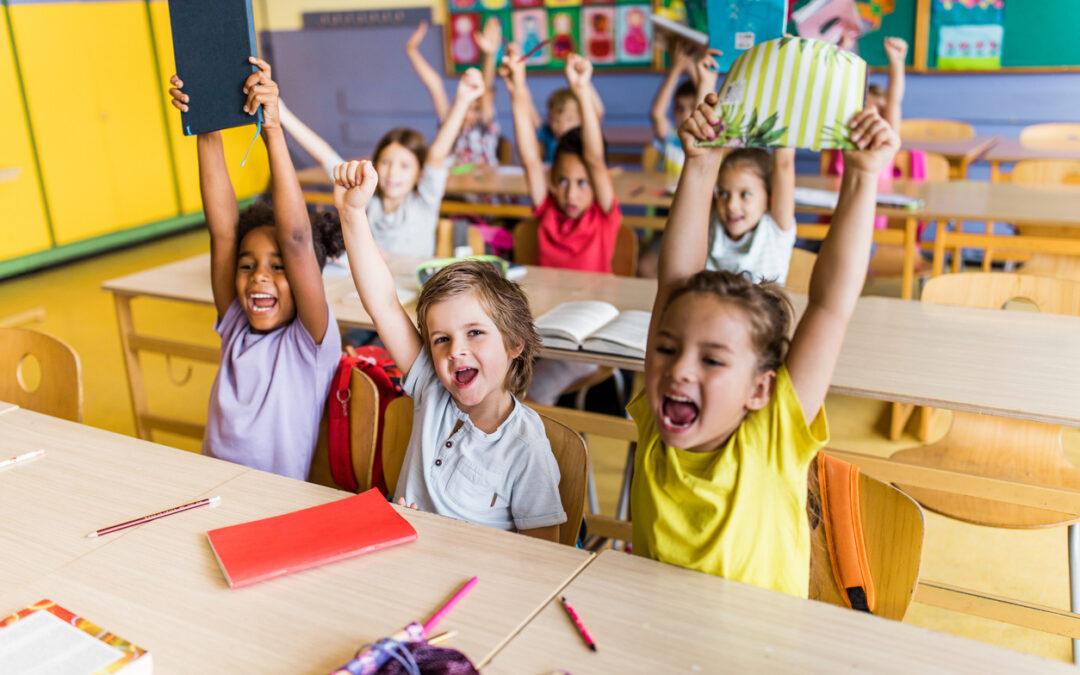
Classroom events can turn an ordinary school day into an exciting learning experience. From creative challenges and reading days to science activities and cultural celebrations, well-planned classroom events give students opportunities to learn, participate, and connect with their classmates.
Teachers can use classroom events to introduce new topics, encourage teamwork, celebrate achievements, or simply create a more enjoyable learning environment. The best events do not always require a large budget or complicated preparation. With a little creativity, even simple activities can become memorable experiences for students.
What Are Classroom Events?
Classroom events are organized activities or special occasions that take place within a classroom or are designed specifically for a particular group of students. They can be educational, creative, social, seasonal, or a combination of several purposes.
Unlike regular lessons, classroom events often give students more opportunities to participate actively. Students may work in teams, present their ideas, solve problems, create projects, or take part in friendly competitions.
The goal is not simply to entertain students. A successful classroom event should also support learning, communication, creativity, confidence, or social development.
Why Are Classroom Events Important?
Regular classroom routines are useful, but occasional special events can give students a fresh way to interact with their teachers and classmates.
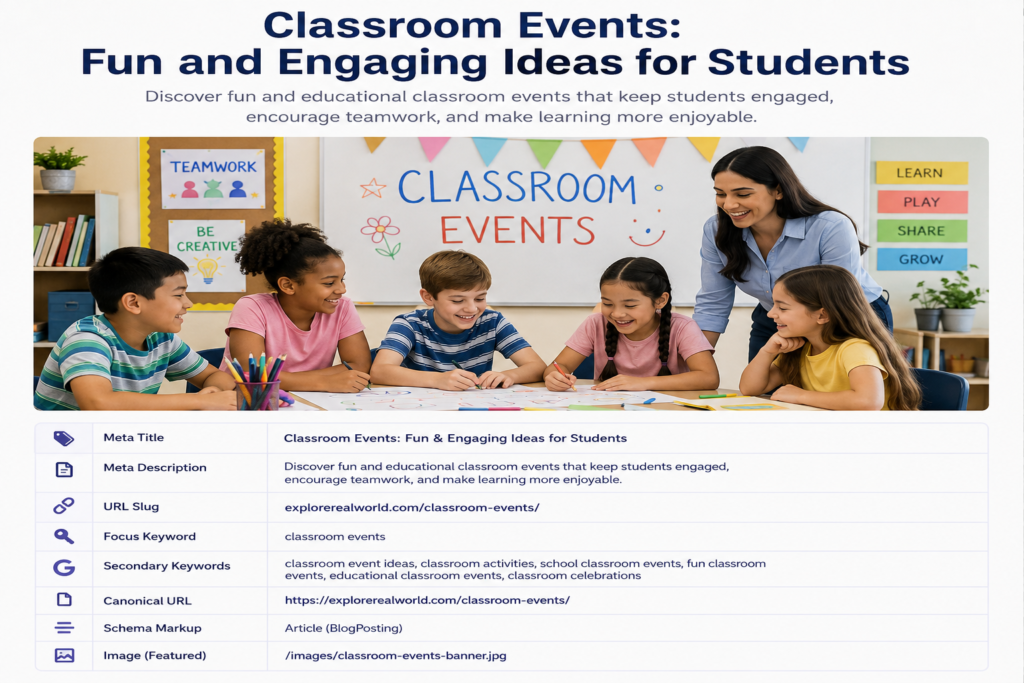
Encourage Student Participation
Some students may be quiet during traditional lessons but become highly engaged when they are allowed to participate in an activity or challenge. Classroom events can create different ways for students to contribute.
Build Teamwork Skills
Many classroom event ideas involve group activities. Students learn how to communicate, divide responsibilities, listen to others, and work toward a shared goal.
Make Learning More Enjoyable
Educational activities do not have to feel like traditional lessons. A science challenge, history competition, or creative writing event can help students explore a subject more enjoyably.
Develop Confidence
Presentations, demonstrations, games, and team challenges can encourage students to speak in front of others and become more comfortable sharing their ideas.
Create Positive Memories
Special classroom events can become some of the most memorable moments of the school year. They can give students something exciting to look forward to while strengthening relationships within the classroom.
Fun Classroom Event Ideas
There are many ways teachers can organize classroom events without making the planning process complicated. Here are some ideas that can work for different ages and subjects.
Reading Day
A reading day can encourage students to discover new books and develop a stronger interest in reading. Students can bring a favorite book, read independently, recommend books to classmates, or create short presentations about a story.
Teachers can also organize a book-themed quiz or allow students to design their own book covers.
Science Challenge
A science challenge allows students to experiment, investigate, and solve problems. Simple activities can include building structures, testing materials, creating paper airplanes, or exploring basic scientific concepts.
Students can work individually or in teams and explain what they discovered at the end of the activity.
Classroom Quiz Competition
A quiz competition is an easy way to combine learning and friendly competition. Questions can cover subjects students have recently studied or include general knowledge, geography, science, literature, and history.
Dividing students into teams can make the activity more collaborative and encourage everyone to participate.
Creative Art Event
An art-focused classroom event can allow students to express themselves through drawing, painting, crafts, or digital artwork.
Teachers can choose a theme and let students create something based on it. At the end, the classroom can hold a small exhibition where students explain their work.
Cultural Celebration
A cultural event can introduce students to different traditions, foods, languages, clothing, music, and celebrations from around the world.
Students can research a country or culture and prepare a short presentation. This can encourage curiosity and help students appreciate different perspectives.
Classroom Talent Show
A classroom talent show allows students to demonstrate their skills. Students might perform music, poetry, storytelling, magic tricks, drawing demonstrations, or other age-appropriate talents.
Participation should always be voluntary, and students who do not want to perform can help with organizing, presenting, or supporting their classmates.
History Day
A history-themed event can make historical topics more interactive. Students can choose historical figures, events, or civilizations and prepare posters, presentations, costumes, or short performances.
Teachers can also create a classroom timeline and have students place important historical events in the correct order.
Writing Challenge
A writing challenge can encourage creativity while strengthening language skills. Teachers can provide an interesting prompt and give students a limited amount of time to create a short story, poem, article, or descriptive paragraph.
The activity can be adapted for different age groups and writing abilities.
Educational Classroom Events
Classroom events can also be designed around specific educational goals. These events are especially useful when teachers want students to apply what they have learned.
For example, a mathematics event could include problem-solving stations, logic puzzles, or a classroom math competition. A language event could focus on vocabulary games, storytelling, spelling challenges, or presentations.
The important part is to connect the activity with the students’ learning objectives. When an event has a clear educational purpose, students can have fun while practicing useful skills.
How to Plan a Successful Classroom Event
Good planning can make classroom events easier for both teachers and students.
1. Choose a Clear Goal
Start by deciding what you want students to gain from the event. The goal could be learning a new concept, developing teamwork, celebrating an achievement, or encouraging creativity.
2. Consider the Students’ Age
An activity that works well for younger children may not be suitable for older students. Consider students’ interests, abilities, attention spans, and classroom environment when selecting an event.
3. Keep the Activity Simple
A successful classroom event does not need to be complicated. Too many rules or activities can make the event difficult to manage.
Choose a format that is easy to explain and gives students enough time to participate.
4. Prepare Materials in Advance
Make a list of everything needed for the event. Preparing worksheets, art supplies, books, presentation materials, or game instructions ahead of time can prevent unnecessary delays.
5. Give Students Different Ways to Participate
Not every student enjoys the same type of activity. Some may prefer speaking, while others enjoy writing, designing, organizing, or working behind the scenes.
Providing different roles can help more students feel included.
6. Set Clear Rules
If the event includes games or competitions, explain the rules before starting. Clear instructions can reduce confusion and help students focus on the activity.
7. Leave Time for Reflection
After the event, give students a few minutes to discuss what they learned or enjoyed. A short reflection can turn an entertaining activity into a meaningful learning experience.
Classroom Events on a Small Budget
Teachers do not need a large budget to organize engaging classroom events. Many activities can be created using materials that are already available at school.
Reading challenges, quizzes, storytelling sessions, group discussions, writing competitions, educational games, and drawing activities can all be organized with minimal expense.
Technology can also be useful when available. Students can create presentations, research topics, participate in digital quizzes, or collaborate on online projects.
The focus should remain on participation and learning rather than expensive decorations or equipment.
Making Classroom Events More Inclusive
A good classroom event should allow every student to participate comfortably.
Teachers should consider students with different learning styles, abilities, interests, and levels of confidence. Activities can be adjusted when necessary so that students are not excluded because they find one particular format difficult.
For competitive events, it can also help to recognize different achievements rather than focusing only on one overall winner. Awards such as best teamwork, most creative idea, or excellent effort can encourage broader participation.
How Often Should You Organize Classroom Events?
There is no single schedule that works for every classroom. Some teachers may organize a small activity once a month, while others may plan larger events around holidays, school milestones, or the end of a learning unit.
The key is to avoid making events feel like another source of pressure. A simple, well-planned activity can be more valuable than a complicated event that requires excessive preparation.
Final Thoughts
Classroom events can make education more engaging while helping students develop communication, teamwork, creativity, and problem-solving skills. Whether it is a reading day, science challenge, quiz competition, art event, or cultural celebration, teachers have many options to create meaningful experiences.
The best classroom events are those that match the students’ interests and support a clear learning goal. With thoughtful planning and simple activities, almost any classroom can become a place where students look forward to learning, participating, and working together.